
Why Most High-Performing Professionals Fail at Taking Time Off
Most high-performing professionals don’t burn out because they lack holidays.
They burn out because they mistake containment for recalibration.
From the outside, their lives look solid. Career progressing. Responsibilities handled. Decisions made. Standards maintained.
Privately, something feels misaligned.
They book a break.
A luxury resort.
A long-haul escape.
An “I deserve this” itinerary.
And for a few days, it feels better.
Then they come home.
And nothing has moved.
The exhaustion returns. The irritability. The quiet sense that something needs to change but there’s no space to think clearly enough to decide what.
This is not a motivation problem. It's a capacity problem.
The Hidden Mistake: Location Over Architecture
Most people plan time off the same way they plan work.
They optimise for:
• Prestige
• Convenience
• Reputation
• Price
• Aesthetic appeal
They assume that changing geography changes internal state.
It doesn’t.
You can sit in a lagoon and still be carrying decision fatigue.
You can drink wine on a beach and still feel numb.
You can fly business class and still land exhausted.
The nervous system doesn't reset simply because you've relocated. It resets when cognitive load drops.
That requires structure.
Decision Fatigue Follows You
High-functioning professionals are used to making decisions constantly.
Micro-decisions. Strategic decisions. Emotional decisions.
When they take time off without structure, they unknowingly recreate the same environment:
Where do we eat?
What should we do?
Should we change plans?
Is this worth the money?
Is this the right choice?
Luxury resorts often amplify this.
Beautiful surroundings. Minimal containment.
No sequencing. No energy design.
Just stimulation.
And stimulation without pacing becomes exhaustion.
You return home tired — but now disappointed as well.
Escape vs Reset
There is a difference between escape and reset.
Escape is reactive.
Reset is deliberate.
Escape says:
“I need to get out of here.”
Reset asks:
“What is my system currently capable of handling?”
Escape prioritises distraction.
Reset prioritises regulation.
That distinction matters.
Because if your nervous system is overloaded — from responsibility, from grief, from divorce, from corporate pressure, from holding everything together — throwing more novelty at it can destabilise rather than restore.
Sometimes what looks like rest is just avoidance. And avoidance rarely builds momentum.
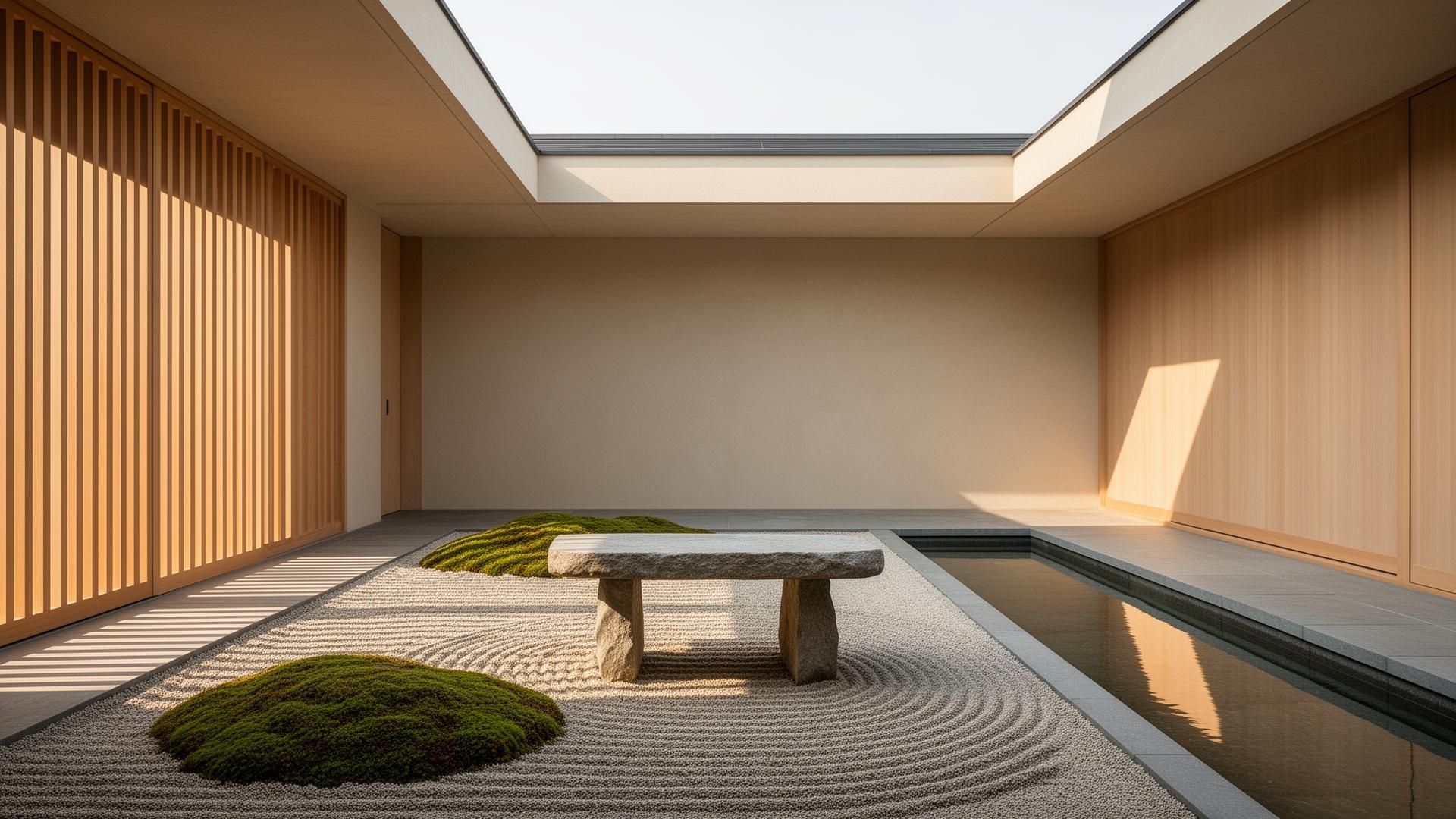
Luxury Is Not the Same as Design
This is where most high performers get it wrong.
They assume higher price equals better outcome.
But luxury without design is just expensive stimulation.
I have seen:
• Stunning resorts with rigid programming
• Prestigious destinations with chaotic logistics
• Beautiful environments that quietly increase stress
A calm nervous system does not come from thread count. It comes from architecture.
Architecture means:
• Reduced decision load
• Clear pacing
• Built-in recovery windows
• Exposure sequenced after regulation
• Contingency handled before emotion
When those pieces are in place, something shifts.
Capacity returns.
And when capacity returns, courage follows.
Why Burnout Isn’t Just Exhaustion
Burnout isn’t only about being tired.
It’s about identity drift.
It’s the subtle disconnection between who you are functioning as and who you actually are.
You keep performing.
You keep delivering.
But you feel increasingly detached.
A holiday won’t fix that.
But a structured reset environment can create the clarity needed to realign.
That clarity rarely comes through intensity. It comes through containment.
When the external world becomes predictable, the internal world has room to recalibrate.
That’s when thinking sharpens. Creativity returns. Decisions become less reactive.
You don’t feel like escaping anymore. You feel like choosing.
The Myth of “Doing Nothing”
Many professionals tell themselves they just need to “do nothing.”
But for high-achievers, unstructured nothingness often increases anxiety.
Without containment, the mind keeps scanning:
What should I be doing?
Is this productive?
Am I wasting time?
Stillness without structure feels unsafe to a system trained on performance.
Reset requires intentional rhythm.
Movement and rest. Exposure and retreat. Silence and conversation. Designed contrast. Not random days.
What Actually Works
The professionals who return from travel changed share common patterns:
They did not over-schedule.
They did not leave everything open.
They reduced decisions.
They clarified intention before departure.
They sequenced challenge after recovery.
They built structure before stimulation.
They understood that environment influences identity.
And they designed accordingly.
That’s the difference.
If Your Last Holiday Didn’t Work
If you came home from your last break:
• Still tired
• Still irritated
• Still unclear
• Still numb
It’s not because you failed at relaxing.
It’s because the environment wasn’t built for regulation.
And regulation is the foundation of movement.
You don’t need more novelty.
You don’t need bigger destinations.
You don’t need louder experiences.
You need architecture.
When cognitive load drops, clarity rises.
When clarity rises, decisions shift.
When decisions shift, life changes.
Travel is not the solution.
Designed space is.
And most people have never experienced the difference.